


- By Target Feeds
August on the Farm: Navigating a Challenging Summer for UK Livestock
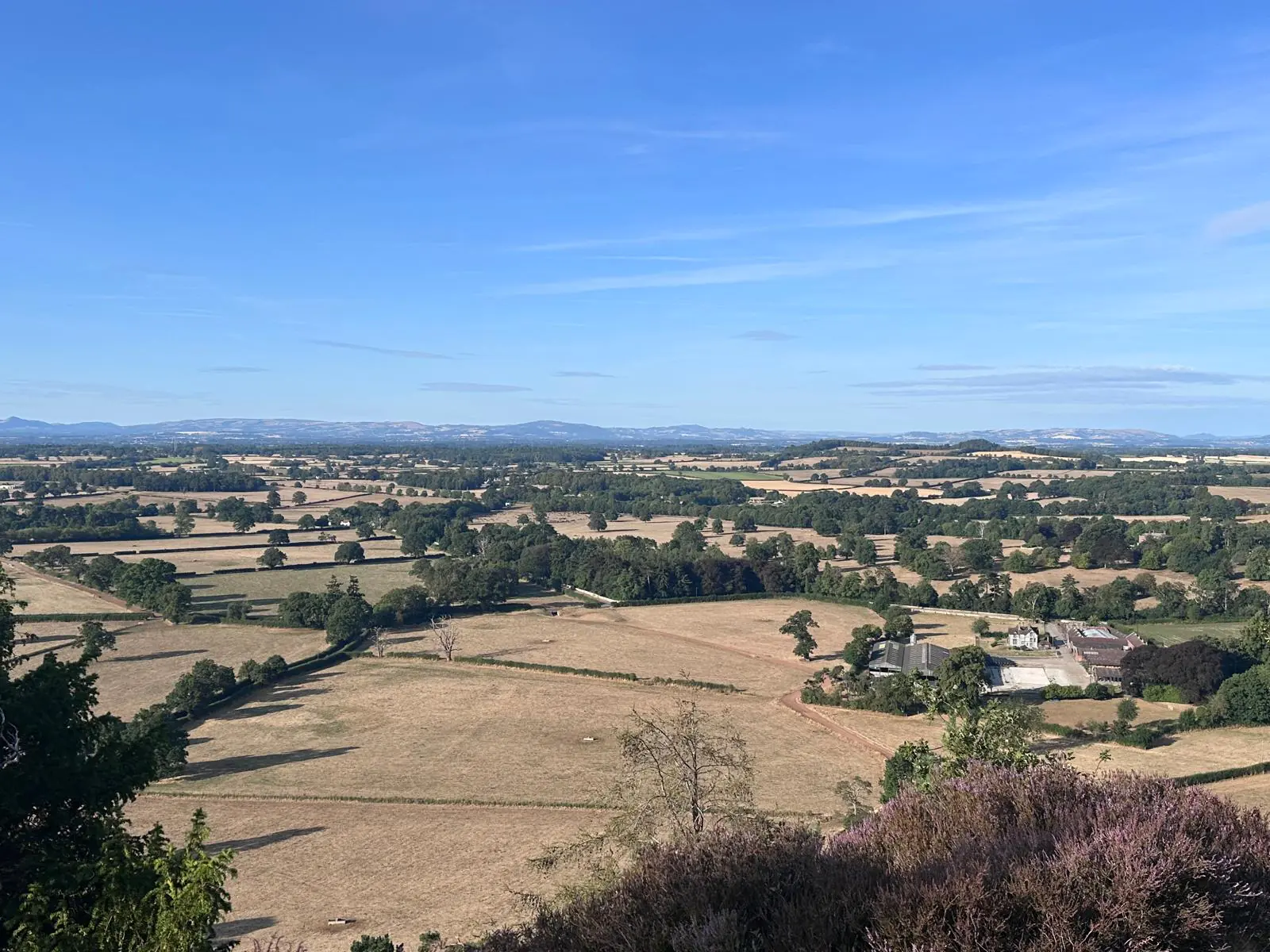
August is always a busy month in the farming calendar, but 2026 is bringing a particularly challenging combination of pressures for livestock producers across the UK.
From the rapid spread of bluetongue to prolonged dry weather, pressure on forage supplies and uncertainty surrounding the autumn ahead, farmers are having to adapt quickly while keeping animal health, nutrition and welfare at the forefront of decision-making.
Bluetongue remains a major concern
Bluetongue has become one of the biggest livestock stories of the summer, with cases of Bluetongue virus serotype 3 (BTV-3) rising rapidly, particularly across the South West of England.
The impact is already extending well beyond affected farms. A number of agricultural shows have cancelled cattle and sheep classes in response to the outbreak, while farmers purchasing breeding and store stock are being encouraged to pay close attention to the health and vaccination status of animals.
With the breeding season approaching, responsible livestock sourcing will be particularly important.
Farmers should remain vigilant for possible signs of bluetongue and continue to follow the latest guidance from Defra, APHA and their veterinary surgeon. Vaccination is also being strongly encouraged across the industry as part of efforts to protect susceptible livestock.
The situation is changing quickly, making up-to-date advice particularly important.
Dry weather creates another challenge
Disease pressure is not the only issue facing livestock producers.
After an exceptionally hot and dry summer, conditions across many parts of the country have placed considerable pressure on grass growth and forage availability.
Where grazing becomes limited, livestock may require supplementary feeding earlier than would normally be expected. Conserved forage stocks intended for the autumn and winter can consequently come under pressure.
Bluetongue management may add another complication. Some farmers have reportedly been moving vulnerable or unvaccinated animals away from areas considered favourable to midge activity, while housing livestock during periods of increased midge activity may place further demands on conserved forage.
All of this makes assessing feed stocks and livestock requirements increasingly important.
Plan ahead for autumn and winter
Although August may feel early to be thinking about winter, this year's conditions make forward planning particularly valuable.
Taking stock now can help identify potential shortfalls before they become more difficult or expensive to address.
Consider:
- Forage availability: How much silage, hay or other conserved forage is currently available, and how does this compare with expected winter requirements?
- Forage quality: Quantity is only half of the equation. Analysis can help establish the nutritional value of conserved forage and identify where supplementation may be necessary.
- Livestock condition: Regularly assessing body condition can help highlight animals that may need additional nutritional support.
- Feed requirements: If forage stocks are limited, introducing suitable supplementary feeds strategically may help preserve supplies and maintain performance.
- Changes in management: Housing animals earlier than planned or reducing access to particular grazing areas can significantly alter nutritional requirements.
Early planning provides more options than waiting until forage stocks are already running low.
What could autumn bring?
For many farmers, rain would now be very welcome.
The prolonged dry conditions have left soils parched and water resources under pressure in parts of the country. However, the timing and quantity of autumn rainfall could bring challenges of its own.
A rapid switch to prolonged wet conditions could affect harvest, cultivations and autumn drilling, while livestock farms may face deteriorating grazing conditions and earlier housing.
This uncertainty reinforces the value of building flexibility into autumn feeding plans.
Feed markets remain in focus
Weather conditions are also having an impact beyond the farm gate.
Dry conditions across parts of Europe and disruption to international grain supplies continue to influence cereal markets. Wheat and barley prices have remained volatile, while reduced grain and maize production forecasts in several major growing regions underline the uncertainty surrounding global feed ingredient supplies.
For livestock producers, it is another reason to consider feed requirements sooner rather than later rather than assuming today's availability, quality or pricing will necessarily remain unchanged through the winter.
Supporting livestock through changing conditions
There is no single feeding programme that will suit every farm, particularly in a year when conditions can vary significantly between regions.
The priority should be to understand what is available on farm, what individual groups of livestock require and where any nutritional gaps may arise.
At Target Feeds, we manufacture a wide range of feeds for livestock and other farmed animals, with options to complement different forage systems and production requirements.
If changing grazing conditions, forage availability or housing plans mean you need to review your feeding programme ahead of the autumn and winter, speak to the Target Feeds team to discuss the options available.
Stay informed
With the bluetongue situation developing rapidly, livestock keepers should continue to refer to the latest official Defra, APHA and devolved government guidance and speak to their veterinary surgeon for animal-health advice.
Planning ahead cannot remove the uncertainty facing UK agriculture this summer, but it can help farms remain flexible as conditions change.

Here at Target Feeds, we pride ourselves on carefully selecting and sourcing only the highest quality ingredients from approved suppliers & aim to maintain this continuity of supply year in, year out.
Operating from a state of the art UFAS audited mill in Shropshire are quality control meets the highest UK & European Standards and we are approved under the UK Feed Hygiene & Veterinary Medicine Regulations.
Raw materials & finished products are regularly laboratory-tested to ensure that every product continues to meet not only ours, but also your high standards.